01 · The starting point
Every change depended on one team.
The legacy model routed design-system work through the dedicated design-system team. Engineers and product designers across the organization depended on that team to make contributions to the shared system.
As the broader organization became enabled to build and deliver with AI, new features and enhancements were turning around rapidly. Opening contribution without safeguards risked weakening the design quality bar. The operating model needed to support both wider participation and consistent standards.
02 · The shift
Open the contribution path.
I architected the move to a federated model, with safeguards built into delivery. My team executed the initiative over six weeks; design-system engineers and designers partnered on the contribution pipeline and the dedicated AI code-review agent.
This changed how work entered the system. Contribution could come from across product teams, supported by a shared pipeline and checks against the existing system’s expectations.
Before
Design-system changes flowed through the dedicated team.
After
Engineers and product designers could contribute through the AI-enabled pipeline, with a dedicated agent reviewing adherence to established standards.
03 · The quality mechanism
Bring the standards into code review.
The dedicated AI code-review agent checked contributions against existing design-system standards and definitions. It flagged issues, suggested fixes, and directed contributors to forums for additional help.
A panel of designers and engineers with expertise in the standards and codebase reviewed only exceptions to shared standards. Routine contributions did not require this panel’s review. The agent supplied guidance within the delivery workflow, while the panel focused human judgment on exceptions—supporting broader contribution without routing every change back through a central team.
04 · The starting experience
Make the first coded prototype easier.
The design-system designers also created a base product template in the design sandbox. Designers and other non-engineers could get started with a coded prototype using a few simple slash commands.
The starter template in Cursor included the design system’s components and a design.md file. Designers and non-engineers could start from an established product foundation instead of assembling one themselves.
This complemented the contribution pipeline: one made it easier to begin prototyping, while the other opened a path to contributing to the shared design system.
05 · What changed
A broader path to participation.
Contribution across teams
The model expanded participation beyond the dedicated design-system team to engineers and product designers.
Standards in the workflow
A dedicated AI review agent helped contributors adhere to existing definitions and standards.
A reusable foundation
The sandbox product template gave designers and non-engineers a practical starting point for coded prototypes.
Simpler entry
A few slash commands helped people get started without assembling a prototype foundation from scratch.
06 · Faster feature delivery
Shared foundations accelerated product delivery.
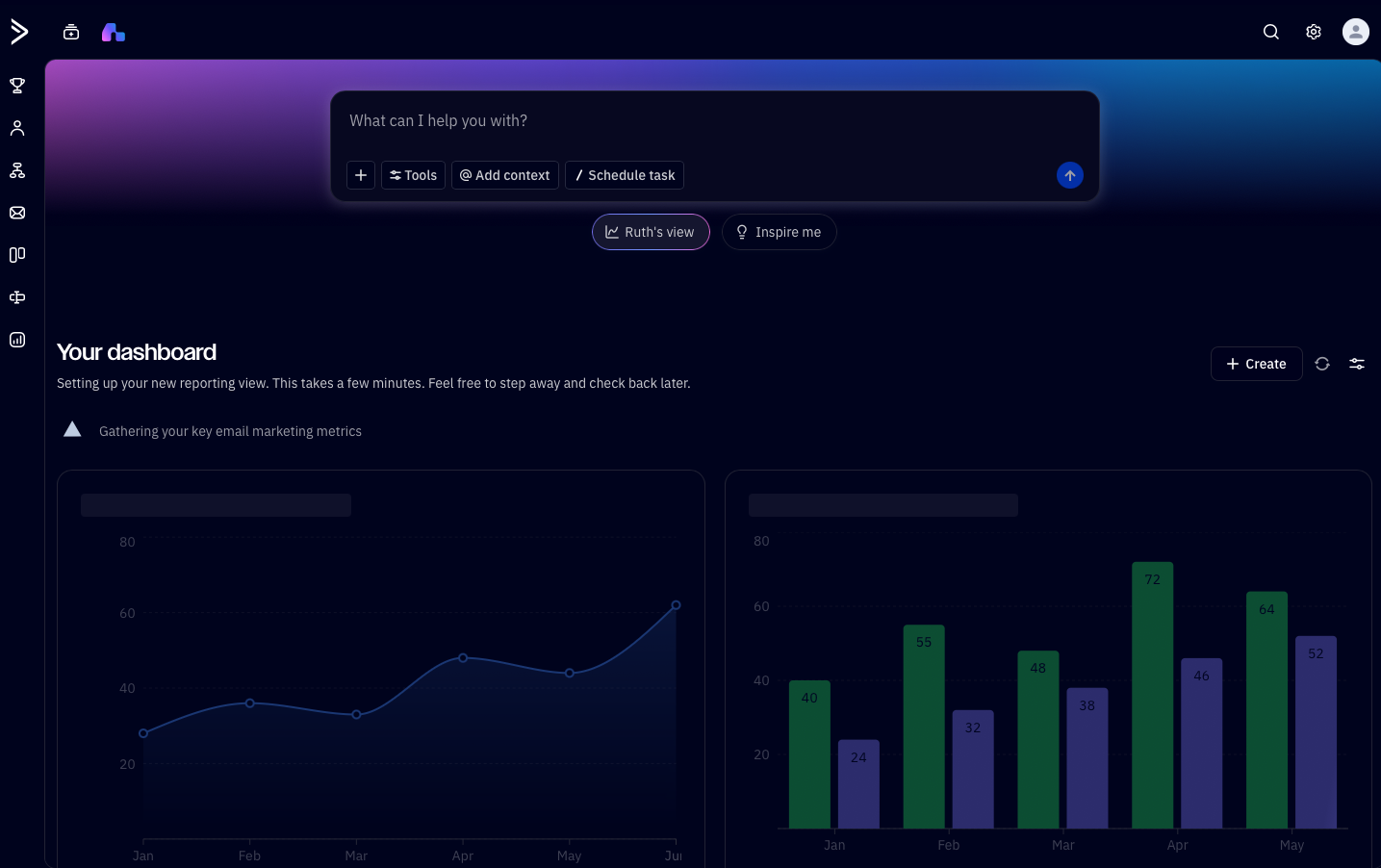
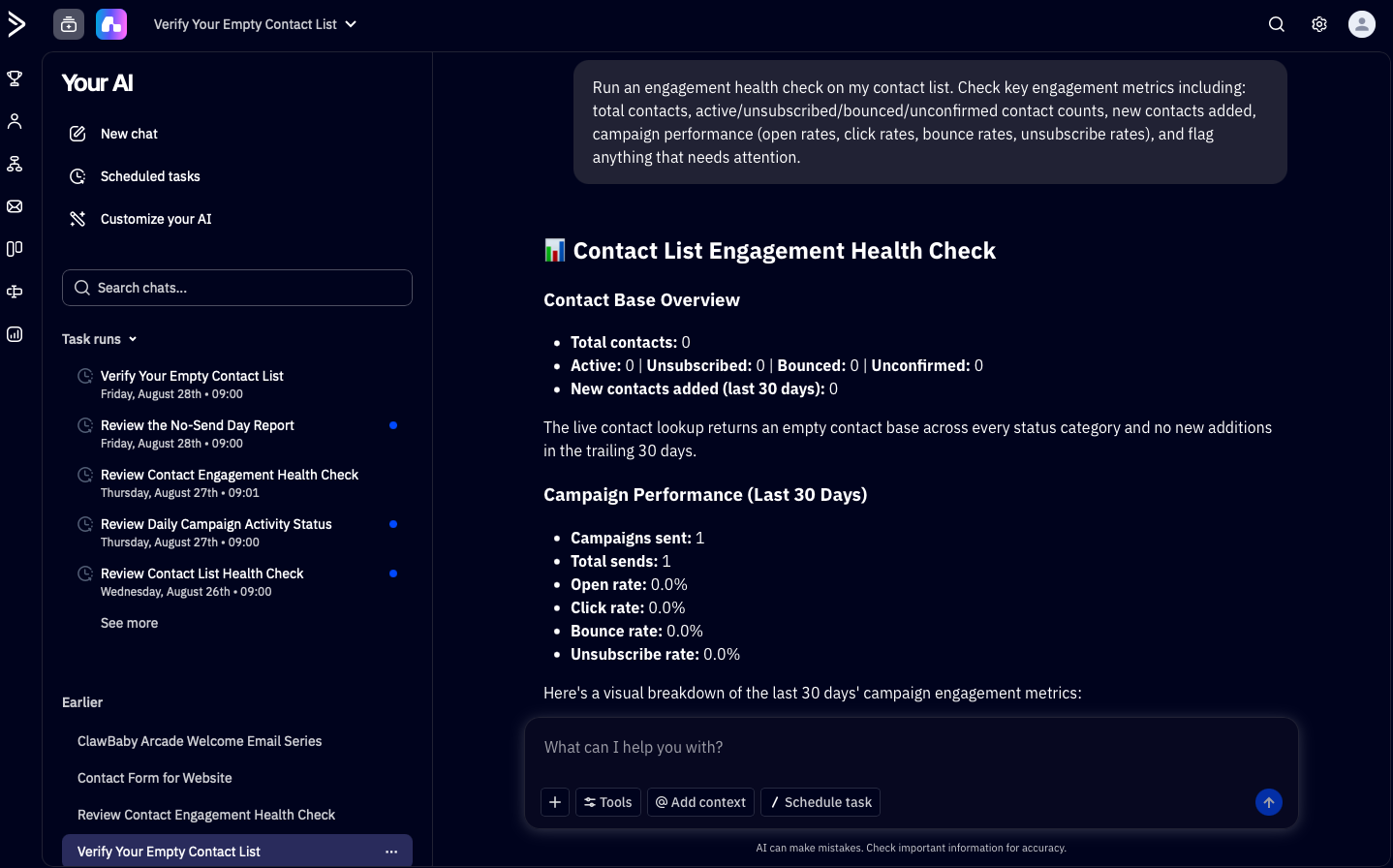
The streamlined systems helped teams deliver features faster, including the AI dashboard and scheduled-task experiences shown below. Reusable components, a clearer contribution path, and standards built into review reduced the work needed to move from concept to delivery.
The leadership principle
Scale contribution and accountability together.
Enabling the organization to build faster also required a way to uphold the design quality bar. The change paired broader access with a shared starting point, actionable review guidance, and expert human governance.