
01 · The context
Understand the work behind the platforms.
Capital One’s data-transformation efforts spanned quality, governance, privacy, platforms, and modeling. Years of accumulated technology and design decisions made the ecosystem difficult to navigate.
I started by exploring how people actually worked: their goals, the steps they took, and where the available tools failed to meet their needs.
02 · The discovery
The first barrier was finding the right tool.
I conducted exploratory empathy interviews, then validated the emerging workflow with a wider group of analysts. A learning agenda developed with stakeholders helped keep the research focused.
I translated what we learned into journey maps and brought the findings into strategy discussions. A recurring problem emerged: there was no centralized place for employees to discover the tools and platforms the company had already invested in.
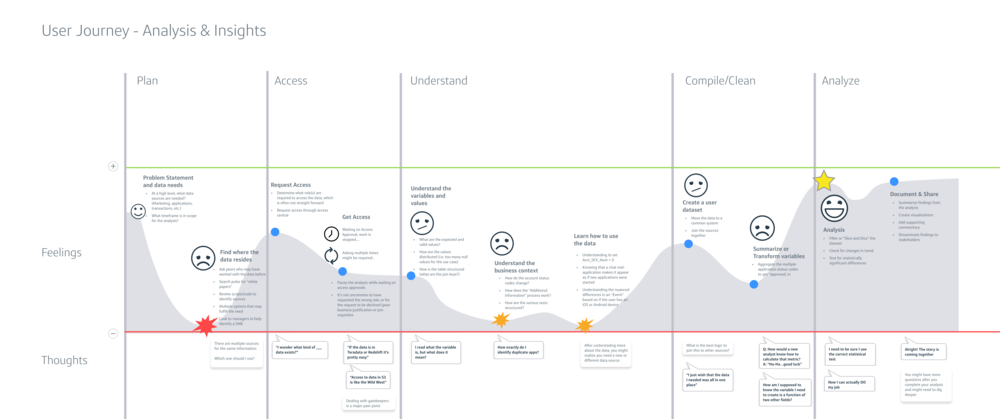
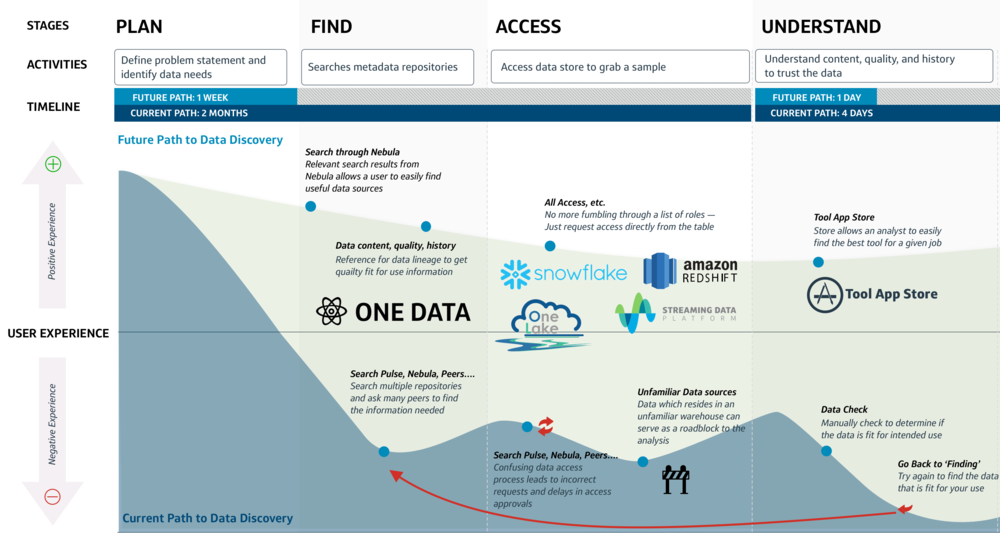
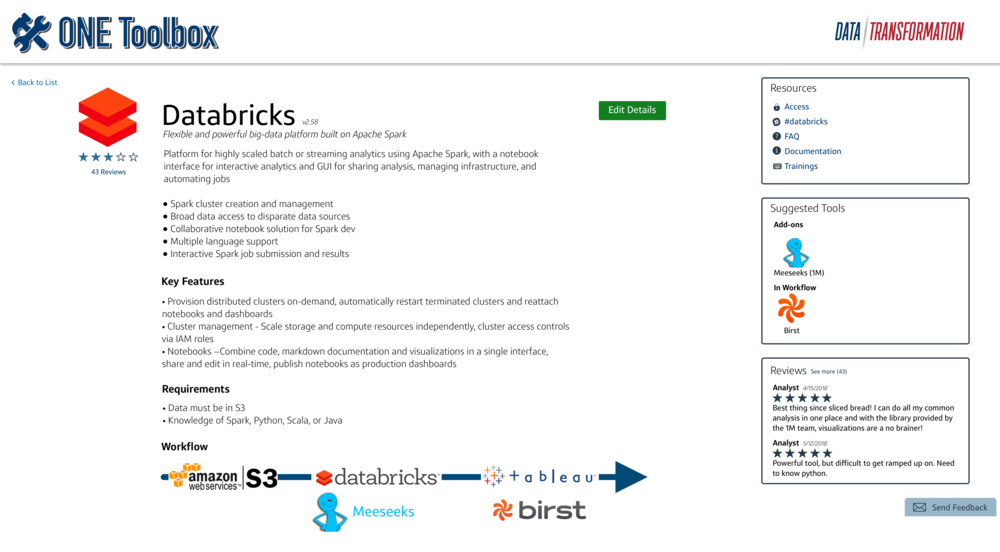
That finding gave us a concrete starting point: One Toolbox, an internal app store to help people discover available tools.
03 · The response
Turn the finding into an agreed MVP.
I created initial wireframes and mockups, tested them with potential users, and presented the concepts to senior leadership until we aligned on an MVP for development.
Working alongside the development team let me address technical constraints and prioritization changes as they arose. We also adapted to a newly introduced organization-wide design system whose initial emphasis on mobile created challenges for the desktop experience.

Research shaped the problem
Interviews and journey mapping exposed the discoverability gap.
Prototypes supported alignment
Concept testing and leadership discussions helped define the first version.
Design stayed close to delivery
Embedded collaboration helped the team respond to implementation constraints.
Early use informed the next step
A soft launch provided evidence of interest and participation.
04 · Early evidence
People began sharing and contributing.
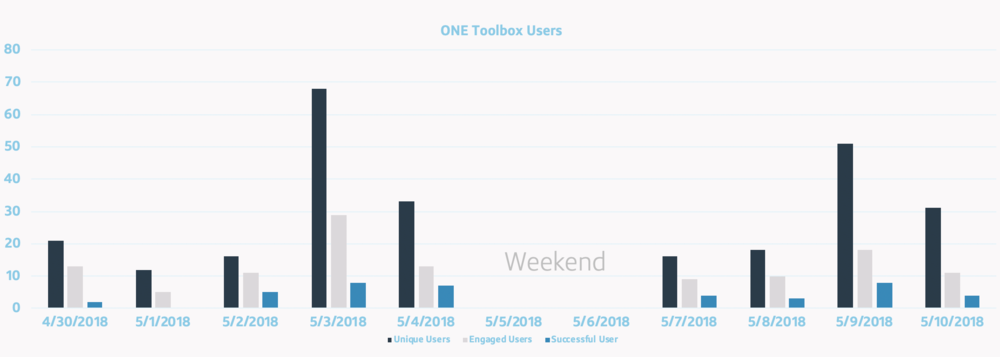
During a soft launch in a QA environment, we observed growing use and sustained engagement. People shared One Toolbox with peers through email and Slack, suggested tools, and wrote reviews. Product owners also asked to have their tools included.
05 · Leadership influence
Use the evidence to secure the next investment.
The One Toolbox work became part of a broader design initiative for the data ecosystem. Through that work, I identified a deeper issue in the existing system that warranted investigation.
I brought historical context, user interview evidence, and supporting numbers to senior leadership to explain why the problem mattered. The result was a team and capacity to explore the issue and potential solutions.
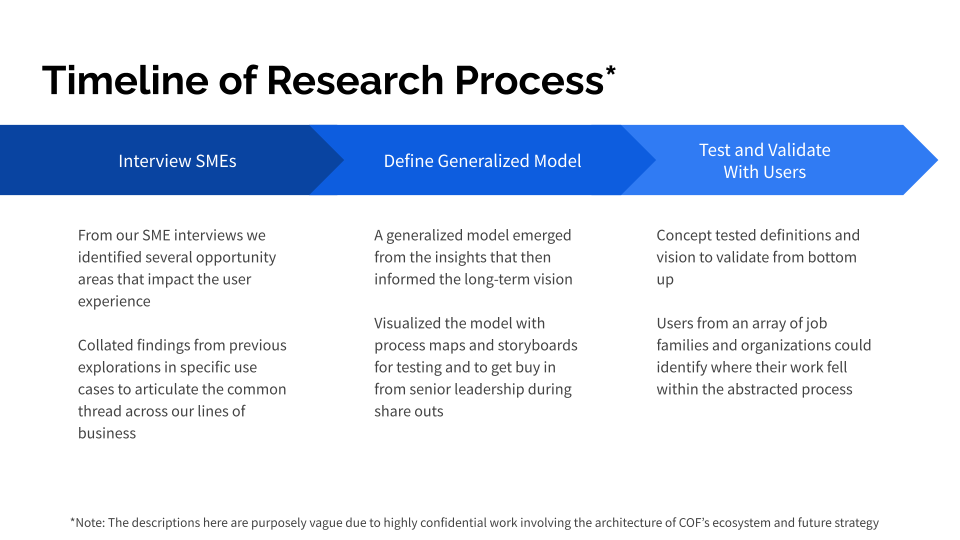
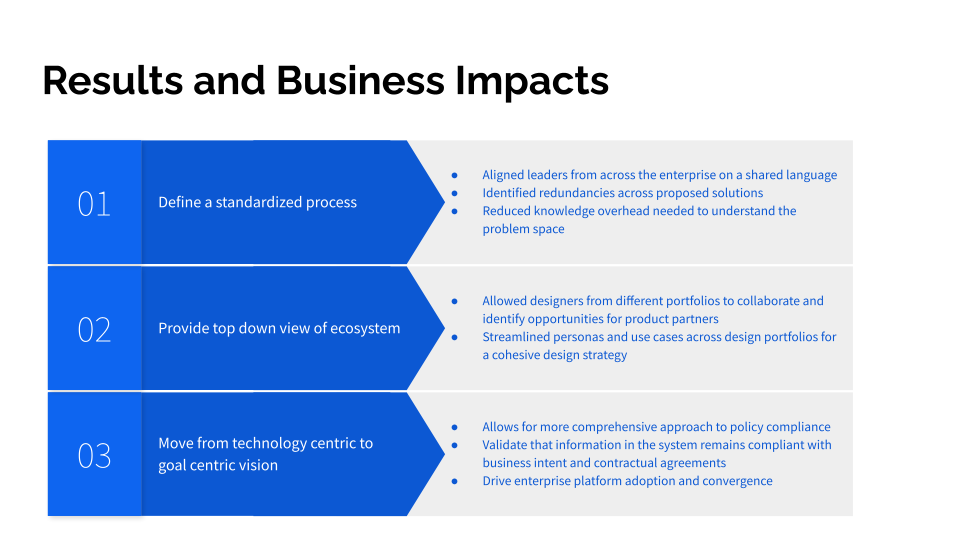
The specifics of that later initiative remain confidential. The leadership outcome was securing support to investigate a consequential problem grounded in firsthand understanding of the ecosystem.
The leadership principle
Let research shape where the organization invests.
The work progressed from understanding individual workflows to delivering a practical tool, then influencing a broader initiative. Research helped define both what to build first and what deserved deeper attention.